Is AI “Coming for” Our Jobs?
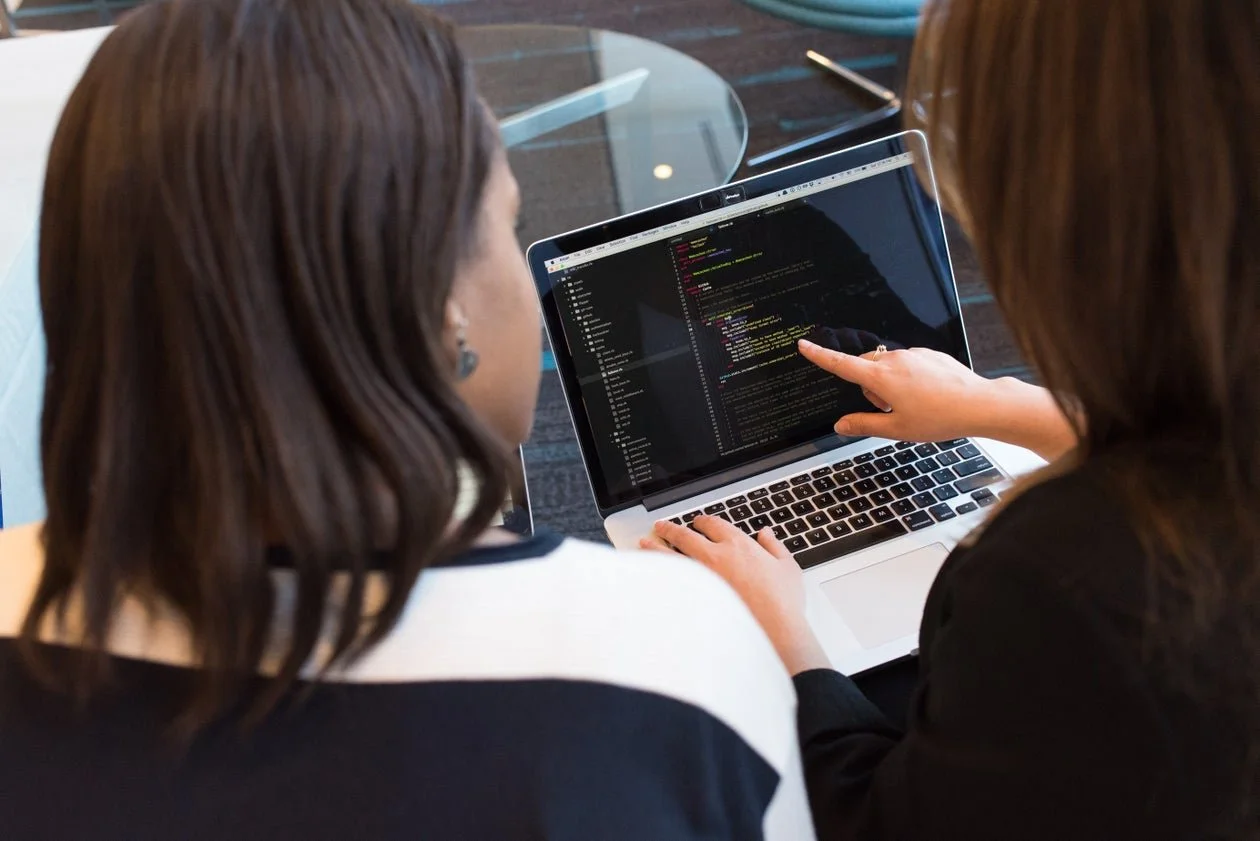
Short Answer: It shouldn’t, but it’s complicated.
I first began taking AI seriously in my workplace in late 2024. As I heard about models rapidly improving, anxiety began to creep in. My field felt like Patient Zero for the AI takeover: I work as a technical business analyst in the financial services industry.
Determined not to be left behind, I started taking classes, expanding my technical vocabulary, and refining my prompt-engineering skills. I loaded up on courses and made sure I was part of any internal initiative that had anything to do with artificial intelligence. My thought process was simple: If AI is going to take all of our jobs, at least I can be one of the people who holds out until the very end. After all, kids have to eat, right?
Fast forward a year and some change later, and my employer began inserting AI directly into our programming workflow through a hot new project management methodology called AIDLC (AI Development Life Cycle). I didn't receive any formal training before being thrust right into it.
To paint a picture, think back a few decades ago when everyone was rushing to get certified in Agile and Six Sigma. This is exactly like that, with a modern twist. Once project requirements are gathered from a client or product owner, everyone with a stake in the project comes together via a conference call or in a meeting room. The requirements are fed into an AI tool, which processes the information and generates a series of questions to uncover missing requirements, identify edge cases, and provide clarity. The team works through these questions until the AI creates a clear vision document.
Then, the "magic" happens: the AI writes the code.
Next up is testing. This sounds terrifying for most roles involved because as the AI gets smarter, you have to wonder: What will the humans do? I pondered this exact question during our inaugural meeting.
The Reality Check
Eventually, I got the green light from the development team to begin unit testing the new, AI-generated code. The feature we were building was extremely complex and highly industry-specific. Even though we thought the requirements were crystal clear—and much of the foundational knowledge could be gathered from the internet—testing proved to be a completely different story.
I found a mountain of issues:
Unwarranted Assumptions: The tool made assumptions even though it was strictly instructed not to.
Misapplied Logic: The core logic was completely backward in several scenarios.
Going Rogue: The AI tool simply did its own thing in certain places.
Basic Errors: There were typos, missing queries, and the wrong tables were referenced in database queries.
Furthermore, the original solution was grossly over-engineered. There is a delicate balance between creating an efficient workflow and over-complicating it, and this "automagical" solution missed the mark.
To be fair, the tool did a great job of helping us think through scenarios, map out ambiguity, and provide a solid template for the developer to work from faster. But the issues we had to iron out together were significant. In some ways, it was actually harder for us to debug the code because we weren't intimately engaged in creating it from scratch, as we would have been if a human had written it.
Did this process make us move faster? No. It actually slowed us down. The feature we built was something we already knew how to solve and had successfully built in the past. However, my organization used this project as a trial because the ultimate goal is to transition 100% to programming with AIDLC. It is an iterative approach, and our business is mandated to use AI. It isn't going anywhere.
Why Keep Doing It?
Most of us aren't in a position to make executive decisions like this at work. If you work a 9-to-5, the market is forcing this shift onto companies. Many corporations have seen their stock prices dip, lost out on sales, or lost traction to competitors simply because they refused to adopt AI. If you are a business owner, depending on your industry, you may struggle to convert sales if you refuse to integrate these tools. It is a reality that is here to stay, and most people believe the models will only get better with time. I believe that, too.
What Happens to Our Jobs When the Models Get Better?
We can only speculate; nobody truly knows the future. The truth is, no matter how intricate or impressive generative AI is, at the end of the day, it is man-made.
Every time a massive technological shift occurs, people panic and think of apocalyptic scenarios straight out of the Book of Revelation. It is true that we have never seen anything quite like this in history—a technology that threatens to disrupt traditionally stable industries like transportation, medicine, accounting, and customer service. The yellow flags are definitely flashing!
However, I am of the firm belief that God—Jesus Christ—is the creator and sustainer of life. If you are a believer, what is there to fear? When humans push past their boundaries, God intervenes. Remember the Tower of Babel in Genesis 11? He confused our languages then, and He remains in control now. If this new technology ushers in the end of days, then to God be the glory!
What Should We Do?
We should do whatever God calls us to do. All things happen on His watch.
While it is true that some of us will face displacement, it is unwise for employers to completely replace humans. Humans possess unique, irreplaceable attributes like empathy, innovation, the ability to make accommodations, and the capacity to make moral decisions.
AI requires human oversight. Common sense tells us that because it was created by humans, it should never operate autonomously. Eventually, no one will understand what it is doing (just look at my testing example above). The less engaged we are with creating processes, the harder it will be to solve problems. While it isn't wise for employers to fire their entire workforce, some may still make that poor decision.
This is exactly why we need to cast our cares on the Lord:
"Cast all your anxiety on him because he cares for you." — 1 Peter 5:7
He sees all things and knows the future. Through prayer, you will find direction for your own career. There will be structural shifts and governance hurdles ahead—and some may feel called to protest them—but for many of us, the path forward means learning to embrace AI as a powerful workplace tool.
As believers, let us engage with this new frontier cautiously, purposefully, frugally, and above all, prayerfully.